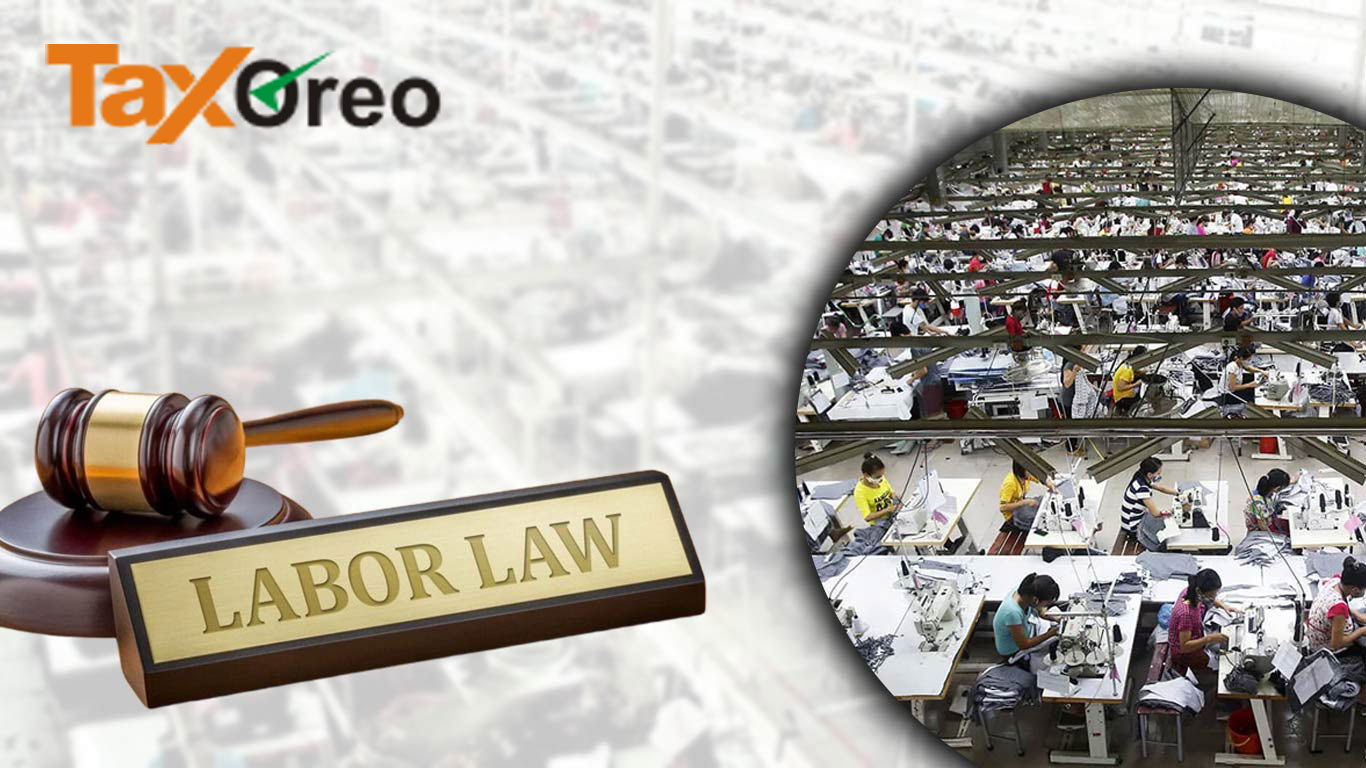
India's government implemented four new labour codes on November 21, 2025, consolidating 29 outdated laws into streamlined regulations on wages, industrial relations, social security, and occupational safety to modernize the workforce and boost investment.
Key Objectives
These reforms aim to simplify compliance, enhance worker protections, and promote ease of doing business by introducing uniformity across sectors
They prioritize gig workers, women, youth, and migrants with nationwide portability of benefits and definitions for platform work.
Critics note potential flexibility in hiring-firing and impacts on small businesses, urging state-level clarity.
Major Changes Point-Wise
- Mandatory Appointment Letters: All employees, including full-time, contract, part-time, and gig workers, must receive formal appointment letters.
- Minimum Wages and Floor Wage: Statutory right to minimum wages with a national floor wage set by the government.
- Working Hours Limits: Maximum 8 hours per day; overtime requires prior written consent and payment at twice the ordinary rate.
- Leave Provisions: Unavailed leave carries forward up to 30 days; refused leave with wages has no limit.
- Health Check-Ups: Free annual check-ups for workers over 40 years old.
- Women in Night Shifts: Opportunities for women to work night shifts across all sectors.
- Gratuity Expansion: Extended benefits, including for gig workers.
- Gig and Platform Workers: Included in social security with insurance and welfare provisions.
- Contract Labour Reforms: Threshold raised from 20 to 50 workers; all-India license valid for 5 years; auto-generated licenses.
- Factory Thresholds: Increased to 20 workers (with power) and 40 (without), easing small unit compliance.
- Social Security Fund: New fund for unorganized workers financed by penalties.
- Fixed Term Employment: Formalized with full wage parity for contract workers.
Implementation and Business Impact
States must align rules, with federal codes taking precedence, potentially reshaping factories and HR policies.
Employers face updated wage definitions, grievance mechanisms, and compliance audits, while workers gain transparency and safety.
Ongoing adaptations will influence investments, with experts recommending legal guidance amid state variations.